
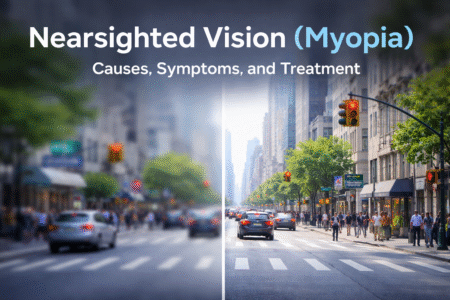
What is Myopia (Nearsightedness)
Myopia, also known as nearsightedness, is a common vision condition where nearby objects appear clear, but distant objects look blurry. This condition can affect both children and adults, and its prevalence continues to rise globally due to lifestyle and environmental factors.
Myopia occurs when the eyeball grows too long or the cornea curves too much. As a result, light entering the eye focuses in front of the retina instead of directly on it. This causes distant objects to appear blurry while close-up objects remain clear.
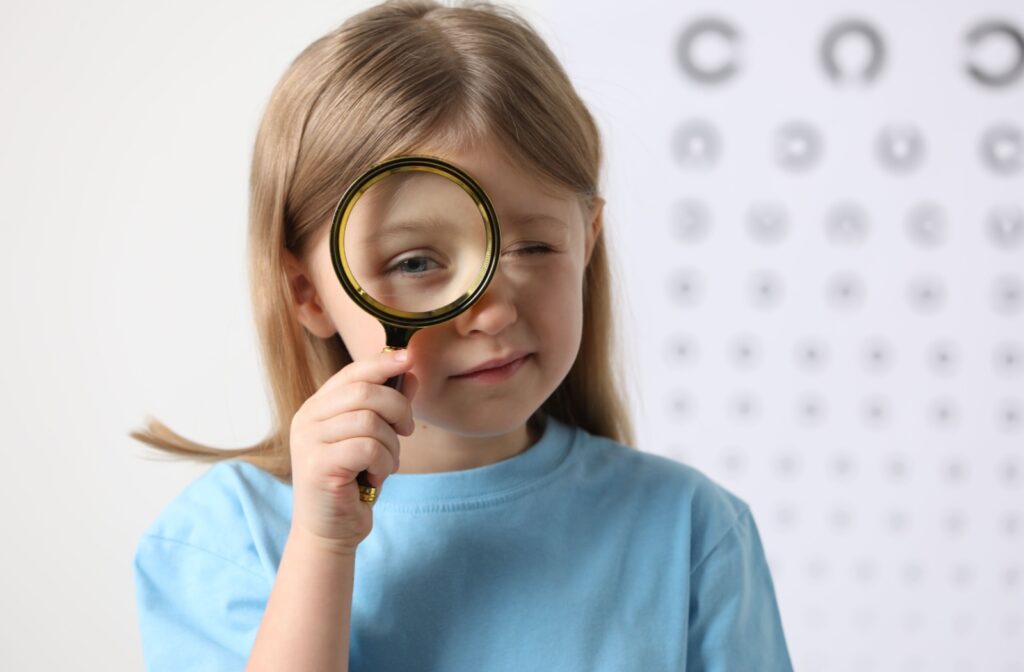
Nearsighted causes
Several factors contribute to the development of myopia, including:
- Excessive near work such as reading or screen use
- Prolonged screen time without breaks
- Limited exposure to natural outdoor light
- Structural changes in the eye during growth
Modern lifestyles, especially those involving long hours on digital devices, play a significant role in increasing myopia rates.
Risk Factors for Myopia
Some individuals are more prone to developing myopia due to:
- Family history of myopia
- Early exposure to screens
- Lack of outdoor activities
- Poor visual habits, such as reading in low light
Genetics and environment often work together, accelerating the onset of nearsightedness.
Childhood Myopia
Myopia often begins in childhood and may worsen as a child grows. Early detection is crucial because high myopia can increase the risk of serious eye conditions later in life, such as retinal detachment or glaucoma.
Encouraging outdoor play, managing screen time, and scheduling regular eye exams can help slow progression.
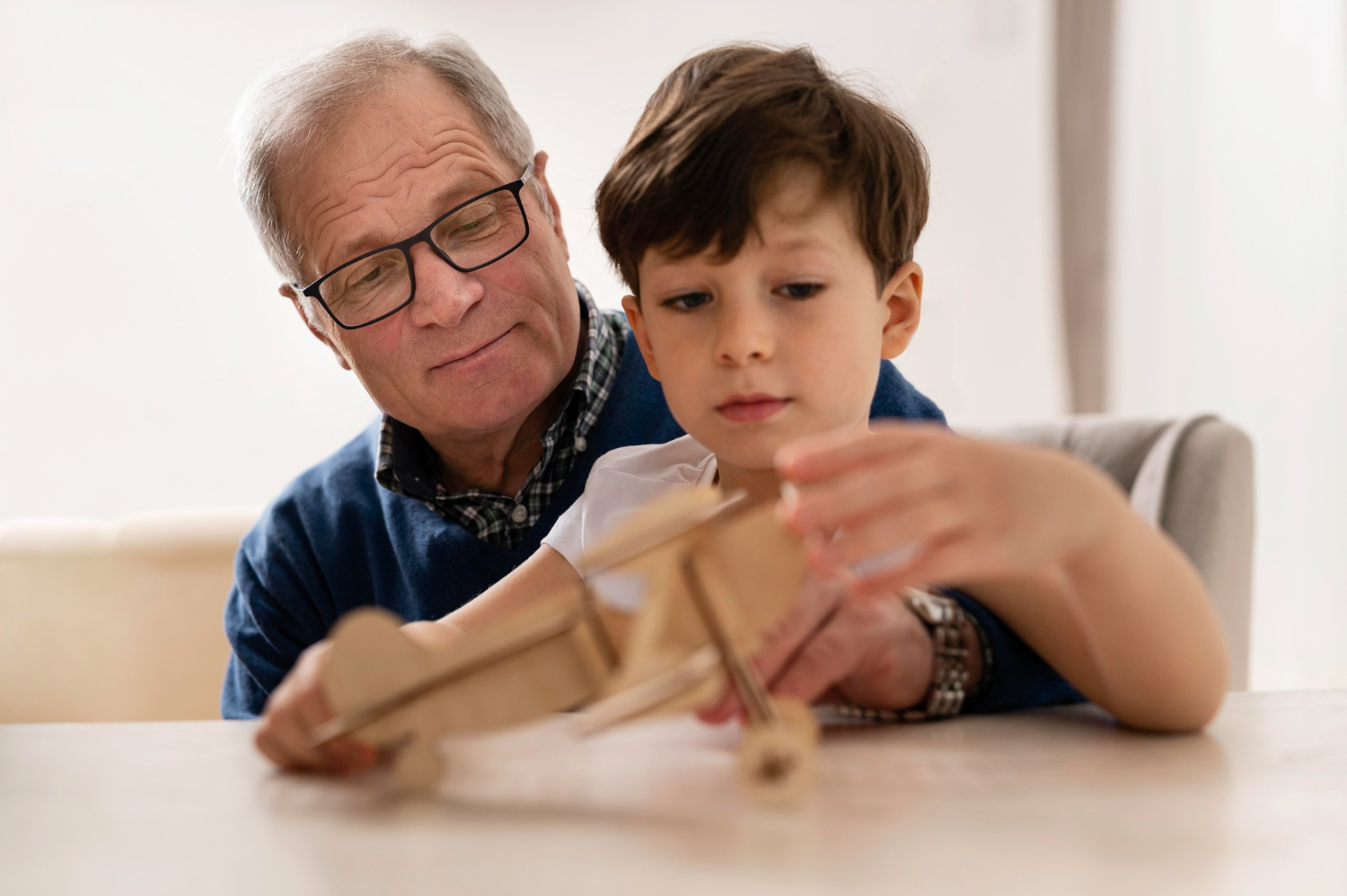
Nearsighted Symptoms
Common symptoms of myopia include:
- Blurry vision when viewing distant objects
- Eye strain or headaches
- Squinting to see clearly
- Difficulty seeing road signs or classroom boards
Children may not always express these issues, making regular eye checkups essential.
Nearsighted Treatment
Treatment options for myopia vary depending on severity and age:
- Prescription glasses or contact lenses
- Orthokeratology (overnight corrective lenses)
- Myopia control lenses for children
- Refractive surgery such as LASIK for adults
An eye care professional can recommend the most suitable treatment based on individual needs.
Sources: